Germany
Our Germany focus connects business fundamentals with industry structures and global end markets.


MORGANS CAPITAL MANAGEMENT
Europe brings together varied economies, businesses and capital markets.
01 / MCM
European companies differ in industry mix, regional demand and international exposure. We avoid broad generalizations and examine the economic characteristics of individual businesses.
A shared regional context does not replace business-specific analysis.
02 / MCM
Many business developments are influenced by demand and competition beyond Europe. Research considers international supply chains, currencies and end markets.
Company comparisons account for differences in financing, capital intensity and growth.
03 / MCM
Macroeconomic developments are examined through specific channels: consumption, investment, costs and financing conditions. This connects the regional perspective with fundamental analysis.
In depth
European companies should not be assessed solely through a shared regional narrative. A local service provider, an international manufacturer and a global branded-products business can react very differently to the same economic development. Customer mix, pricing and capital requirements often explain more than corporate domicile.
A useful European comparison therefore begins by asking which differences are genuinely regional. Business models, industry structures and company decisions can then be considered separately. This reveals how similar external conditions can produce different economic results.

Revenue can change for different reasons: more units sold, higher prices, a different product mix or additional business activities. Analysis should distinguish these influences. An increase in sales does not necessarily imply stronger demand or an improved competitive position.
Connecting pricing with customer value and costs is particularly informative. A company may pass on higher costs without permanently improving its economics. Alternatively, a more valuable offering may change the product mix. Each development requires a specific explanation rather than a broad conclusion from revenue growth alone.
Cross-border operations connect companies with different customers, supply chains and financing conditions. Economic analysis asks where capital is committed, what returns arise from that commitment and which funds remain available for the business. Growth and capital requirements should be read together.
Acquisitions also require this context. A broader geographic footprint may create opportunities while introducing integration demands and additional complexity. Relevant questions include the connection to existing activities, the financing structure and a clear economic rationale for the transaction.
International comparison is especially useful when European businesses and their peers solve similar customer problems. Differences in scale, margins or valuation can then be traced to specific causes: product mix, geographic revenue exposure, economies of scale or a different stage of the investment cycle.
This approach replaces broad statements about regional strength or weakness with questions that can be examined. Which earnings are recurring? How much reinvestment is required? Where are demand dependencies shared? The answers connect the European perspective with differentiated global company analysis.
Explore further
Our Germany focus connects business fundamentals with industry structures and global end markets.
Growth, inflation, interest rates and currencies form the backdrop to business decisions.
We examine companies across national boundaries and compare the drivers of their long-term development.
Further reading

Industry
An industrial buyer pays for more than electricity itself. The margin effect depends on its tariff, its load and the date its supply contract resets.
Industry
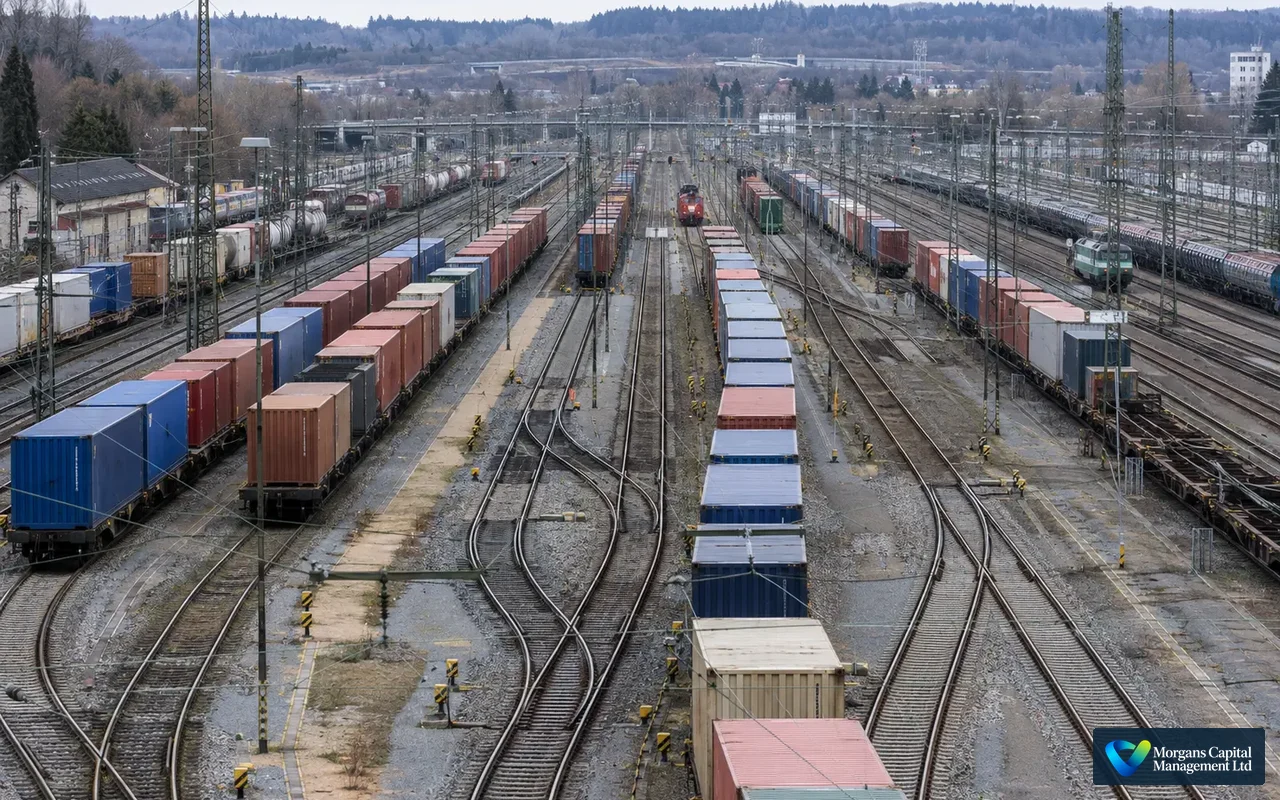
On a cross-border route, the costliest delay can occur after the train has finished the longest part of its journey.
Connect with MCM